

Uncovering the truth behind common gambling myths you believed to be true
The Gambler’s Fallacy
One of the most prevalent myths in gambling is the gambler’s fallacy, which suggests that past events influence future outcomes in games of chance. Many players believe that if a certain number hasn’t come up in a while, it is “due” to hit soon. However, each spin of a roulette wheel or roll of dice is an independent event, unaffected by previous outcomes. This misunderstanding can lead to poor betting strategies and significant financial losses. Furthermore, those looking for guidance on the gambling landscape might find resources like real online casino reviews helpful in navigating their choices.

Research has consistently shown that understanding the independence of events is crucial in gambling. The odds remain constant no matter how many times a player has seen a particular outcome. Recognizing this truth can empower players to make more informed decisions and approach gambling with a clearer mindset.
Slot Machines Are Hot or Cold
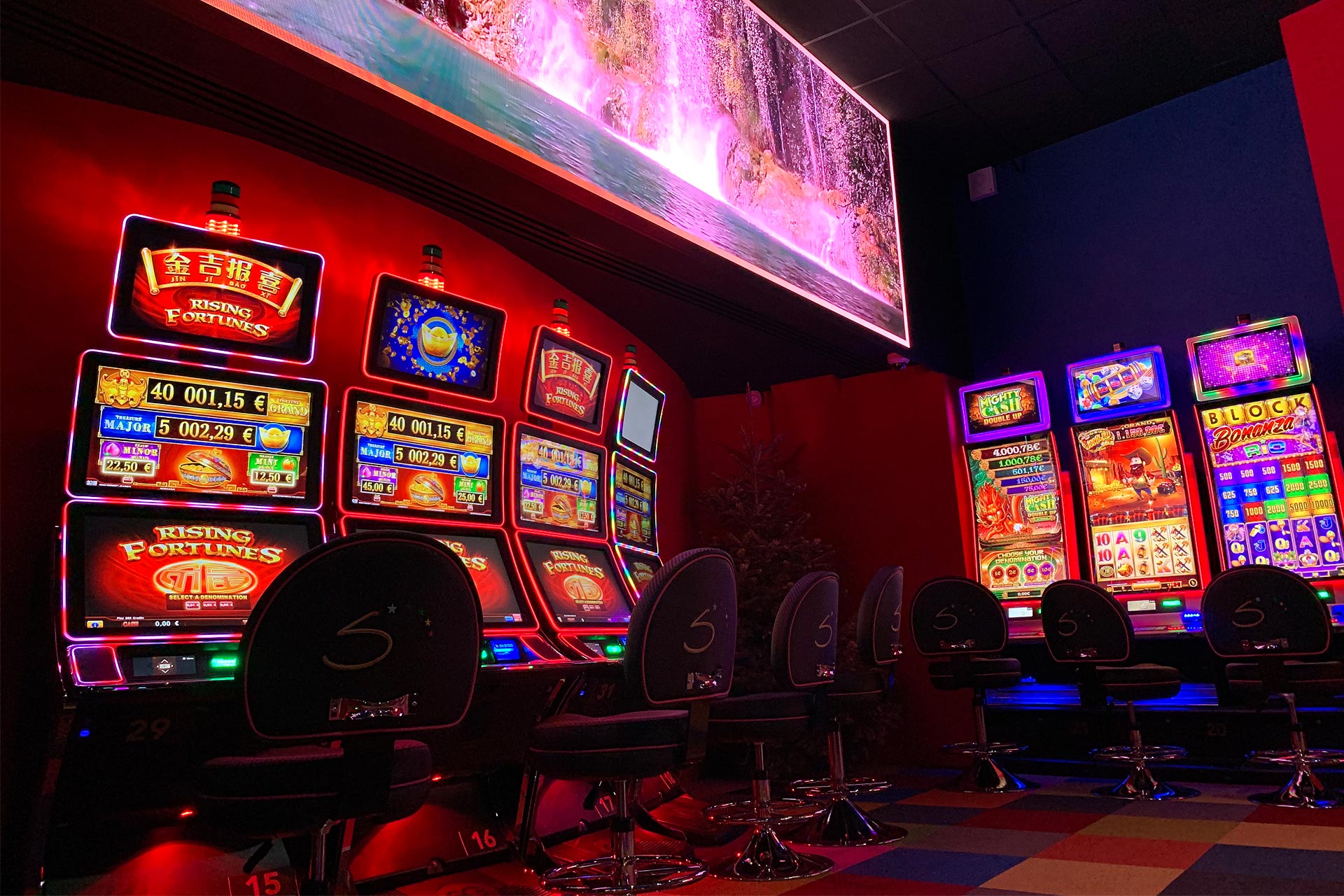
Another common myth is that slot machines have “hot” or “cold” streaks. Some players believe that a machine that hasn’t paid out recently is due for a win, while others might think a machine that has recently paid out is less likely to do so again. In reality, modern slot machines use random number generators, ensuring that each spin is completely independent of the last.
This notion of “hot” and “cold” machines can lead to misguided strategies and unnecessary spending. Understanding that each spin is random eliminates the misconception and helps players manage their expectations, reducing the emotional rollercoaster associated with playing slots.
Betting Systems Guarantee Wins
Many gamblers turn to betting systems, believing that they can guarantee success. From the Martingale system to the Fibonacci strategy, players often feel these systems provide a surefire way to win. However, no betting system can alter the inherent odds of a game. The house always has an edge, meaning that even the best-laid plans can lead to losses over time.
While some systems may provide short-term wins, they do not address the long-term nature of gambling. Understanding the risks involved and recognizing the limitations of these systems can lead to more responsible gambling practices and better financial management.
The Myth of Skill in Games of Chance
A widespread misconception is that skill plays a significant role in games of chance, such as roulette or slot machines. While certain games like poker do require skill and strategy, many casino games are designed primarily around luck. Players who believe they can influence the outcome of these games often end up disappointed.
This misunderstanding can lead individuals to chase losses, believing they can turn things around with a bit more skill. It’s important for players to recognize the nature of the games they are playing and approach them with the right mindset—viewing gambling as entertainment rather than a reliable source of income.
ValueWalk: Your Trusted Resource for Financial Insights
At ValueWalk, we aim to empower our readers with accurate financial knowledge and insights. Our platform provides in-depth analysis on various topics, including gambling myths, to help users navigate their financial decisions more effectively. By fostering a community of informed individuals, we support healthy discussions and sharing of ideas.
Understanding the truth behind common myths in gambling is crucial for making informed decisions. With our commitment to transparency and reliability, ValueWalk is dedicated to being your go-to resource for understanding not only the gambling landscape but also broader financial trends and strategies.
