

Exploring the historical evolution of gambling From ancient practices to modern trends
The Origins of Gambling in Ancient Civilizations
Gambling has roots that trace back thousands of years, with evidence found in various ancient civilizations such as the Chinese, Egyptians, and Romans. Archaeological findings suggest that rudimentary forms of gambling, including dice and betting games, were commonplace. The desire to wager and take risks is deeply ingrained in human nature, and today, many people enjoy playing at an online casino, reflecting our long-standing fascination with games of chance.

In ancient China, gambling was often linked to religious practices and divination, employing bamboo sticks and rudimentary dice for fortune-telling. Meanwhile, the Romans incorporated gambling into their everyday life, using it as both a form of entertainment and a social activity, especially during festivals. These early practices set the foundation for gambling as a widespread social phenomenon.
The Role of Gambling in Medieval and Renaissance Europe
During the medieval period, gambling began to take on more structured forms with the introduction of card games and formalized betting systems. The invention of playing cards in the 14th century, believed to have originated from Asia, revolutionized gambling in Europe. These cards made their way across the continent, quickly becoming popular among nobility and commoners alike.
The Renaissance further propelled the gambling scene, giving rise to elaborate gambling houses and the establishment of laws regulating betting activities. The fascination with games of chance led to innovations in gaming equipment and inspired various literary works, illustrating the cultural significance of gambling during this period.
The Emergence of Casinos and Legalization in the 18th and 19th Centuries
The 18th century marked a pivotal moment in gambling history with the emergence of formal casinos. The first recognized casino, the Casino di Venezia, opened in Italy in 1638, paving the way for similar establishments across Europe. As gambling grew in popularity, governments began to see the potential for revenue through taxation, leading to the legalization of various forms of gambling.
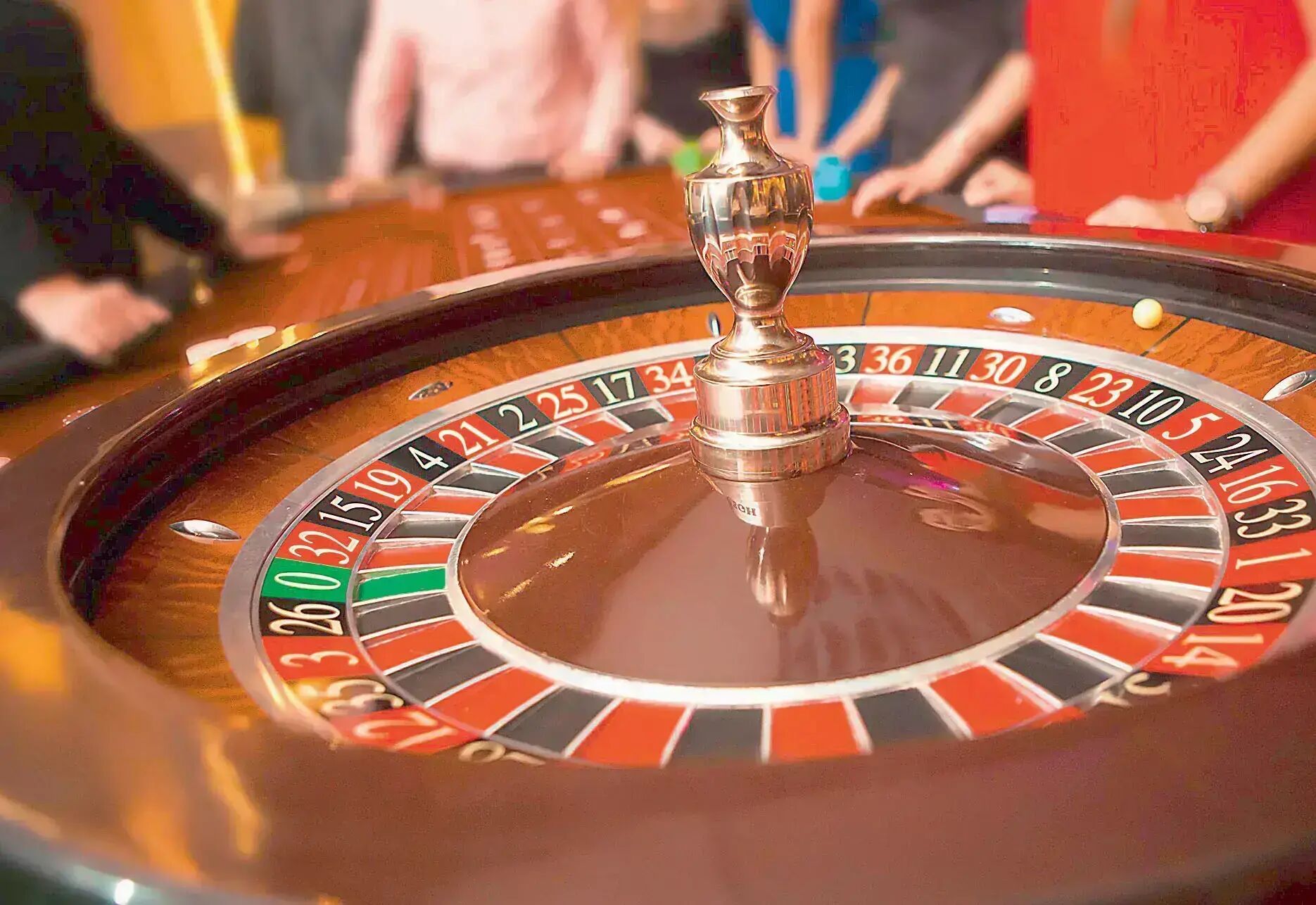
The 19th century saw the rise of betting on horse racing and the establishment of lottery systems, further legitimizing gambling activities. Innovations such as the roulette wheel and slot machines gained traction, becoming staples in casinos worldwide. This era firmly positioned gambling as both an entertainment option and an economic driver.
The Technological Revolution and Online Gambling
The advent of technology in the late 20th century transformed gambling yet again. The introduction of the internet in the 1990s revolutionized how people engage with gambling, leading to the establishment of online casinos and betting platforms. This shift allowed players to access their favorite games from the comfort of their homes, marking the beginning of a new era.
Mobile technology has further propelled this evolution, enabling players to gamble on smartphones and tablets. Live dealer games and virtual reality experiences have created immersive environments that replicate the casino experience. This technological progress has not only expanded accessibility but also increased the global appeal of gambling.
Commitment to Security and Responsible Gambling
In today’s digital age, ensuring a secure online gambling experience is paramount. Many platforms prioritize advanced security measures to protect users from potential threats, creating a safe environment for engaging in gambling activities. Transparency and responsible gambling practices are also increasingly emphasized, with operators providing resources to help players make informed decisions.
As the gambling landscape continues to evolve, it remains crucial for both operators and players to prioritize safety and responsibility. The commitment to maintaining a secure online environment fosters trust and encourages a sustainable gambling culture. Embracing these principles will shape the future of gambling as it continues to adapt to modern trends.
